Hands on the Wheel
Why I started AI for All, and what it’s for.
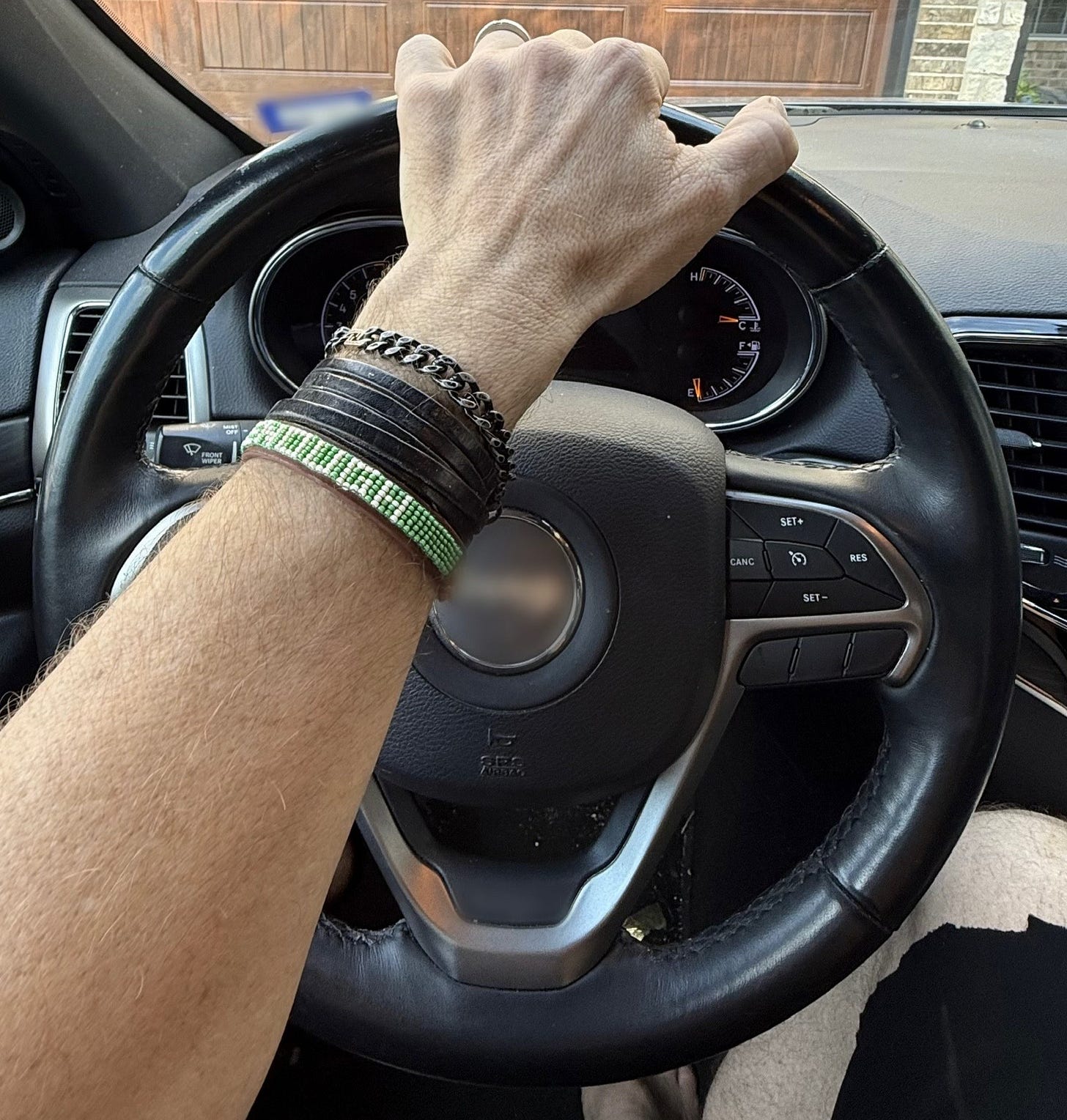
I started using AI about a year ago for the least noble reason there is. I took on a job where I was a team of one, and I needed help. So I used it the way most people start: to draft my emails.
And it worked. It made me sound smart. Smarter than I felt. That was a hit, and I’ll be honest, I chased it for a while.
Then I started asking it different questions. Here’s what I’m doing. Here’s my goal. What am I missing? Where are my blind spots? And somewhere in there I noticed that the thing standing between me and this technology was never the technology. It was me. My fear that I wasn’t educated enough, or technical enough, to belong there. The moment I said “I’m a complete beginner, walk me through this,” it did. No judgment. That door had been unlocked the whole time.
That’s the first reason AI for All exists. A lot of people are standing outside that same door. Not because they can’t learn this, but because somebody along the way made them feel like it wasn’t for them. I want to walk through it with them.
But there’s a second reason, and it’s the one that eats at me.
The same machine that made me feel smart was also agreeing with everything I said. I’d write a proposal with it, read it back, and think I was a genius. Then I’d show it to a real person and they’d ask two questions I couldn’t answer. It had been telling me what I wanted to hear.
Later I caught it saying something flatly untrue. When I asked whether it was telling me the truth, it told me, more or less, that telling the truth isn’t what it’s built for. It’s built to predict what comes next. It sounds confident either way. I call this being ‘Confidently Wrong’, and once you’ve seen it, you can’t stop seeing it.
I still use AI every day. It’s powerful, and it has changed how I work. But I’ve had to build habits around it: telling it not to flatter me, asking it to argue with me, checking the things that matter, and keeping my own record of what was decided, because it forgets. That’s work. It’s sometimes tedious. And it’s the whole point.
Because here’s what I believe. The danger isn’t only that AI gets something wrong. It’s that it gets something right a few times, we stop checking, and we step out of the loop. One convenience at a time. Then the mistakes pile up where nobody is looking.
I’m a father. I watched what social media did to a generation of kids while the adults were still figuring out what it was. My kids aren’t on it yet. They will be soon. And AI is a much bigger thing than social media. I don’t think parental controls will save them. I think the only real protection a kid has is an adult who understands how these systems work, where they get it wrong, and when to say no.
So that’s the mission, as plainly as I can say it. Help adults, especially the ones who think this isn’t for them, use AI on purpose. Not to fear it. Not to worship it. To keep their hands on the wheel.
That’s what this is for. I’ll write about what I’m learning: what AI gets right, what it gets wrong, what’s happening in the world that you should actually know about, and how to stay the human in the loop. Some of it will be uncomfortable. The next piece is about fear, and specifically what the people building this are afraid of, because you deserve to hear it plainly from someone who read the documents.
I’m not an engineer, and I’m not going to pretend to be. I’m someone who learned this the hard way and would rather tell you the truth than sound sure.
If you want help getting started, that’s what AI for All does. If you just want to think alongside me, subscribe. Either way, welcome.
Gage